
Wholesale Empty Vape Guides & Handling Solutions
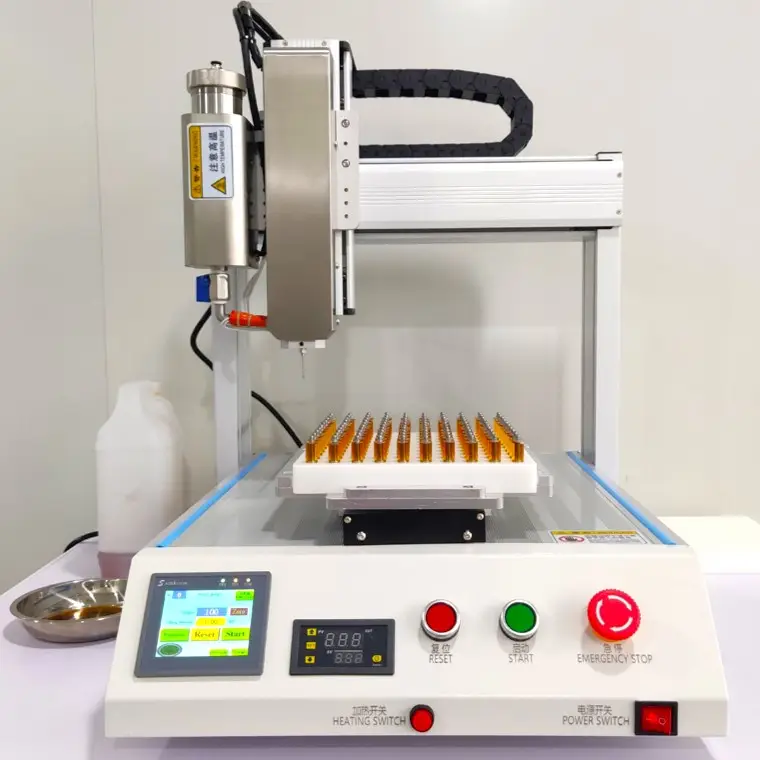
Access comprehensive wholesale empty vape guides engineered specifically for B2B cannabis brands, oil extractors, and commercial MSOs. Specifically, our step-by-step technical tutorials cover automated machine calibration, precise needle filling, dual-viscosity capping protocols, and leak-prevention strategies. Furthermore, these practical workflows help streamline your bulk manufacturing process, minimize hardware failure rates, and ensure maximum storage efficiency across all supply chain stages.
Step-by-Step Wholesale Empty Vape Guides: How to Fill Disposable Pens
Set Up Your Workspace
Place all empty pens on a clean, dust-free surface. Additionally, calibrate your manual syringe or filling machine to the target dosage (e.g., 1.0ml or 2.0ml) before starting.
Fill the Oil Chamber
Insert the blunt needle straight into the side filling slot. Specifically, avoid injecting oil into the center tube, otherwise the pen will leak or clog.
Cap the Mouthpiece
Press or screw the mouthpiece on based on your oil viscosity. Specifically, cap within 3–5 minutes for thin oils, whereas thick distillates allow a 30–60 minute window to lock in the vacuum seal and prevent leaks.
Let It Sit (Priming)
Keep the filled pens standing upright for 15 to 30 minutes. Therefore, the oil has enough time to completely soak the ceramic coil for optimal performance.
Wholesale Empty Vape Guides: Oil Filling Best Practices
- Maintain Ideal Viscosity: Heat oil to 45°C–55°C during dispensing. Specifically, this optimal temperature ensures smooth flow without ruining delicate terpene profiles.
- Use Precision Needles: Fill hardware using 14G–18G blunt-tip needles. Furthermore, this prevents center post scratches and protects internal airflow tubes.
- Conduct Pre-Production Testing: Run a 10–20 unit test batch before mass production. Therefore, you verify flow rate and seal integrity without risking large oil volumes.
Wholesale Empty Vape Guides: Zero-Leakage Technical Protocols
- Prevent Thermal Overfilling: Leave a mandatory 1–2mm air gap at the top. Consequently, this headspace prevents pressure build-up and oil overflow during temperature changes.
- Ensure Full Capping Engagement: Lock the mouthpiece completely into place. Specifically, full engagement secures the internal vacuum seal to stop airflow hole leakage.
- Inspect Silicone Seals: Verify O-ring alignment before capping. However, even a slight misalignment ruins the airtight seal during B2B transport.
Heat Sealing Guidelines in Wholesale Empty Vape Guides
For products requiring tamper-evident packaging or child-resistant mylar bags, follow these parameters for a professional finish:
Temperature
160°C - 180°C
Dwell Time
1.5 - 2.0 Seconds
Storage & B2B Transportation Best Practices
Climate Control
Store filled devices in a cool, dark room kept between 15°C and 25°C. Additionally, protect inventory from direct sunlight and high humidity, otherwise heat can thin the oil and trigger premature leakage.
Keep Upright
Store and stack all filled vapes vertically with the mouthpiece facing upward. Consequently, this position prevents gravity from pulling liquid into the airway tube during storage.
Manage Pressure Changes
Use pressure-sealed, airtight master cartons during air freight or mountain shipping. Therefore, your shipments remain fully protected against cabin altitude shifts and pressure drops.
Common Mistakes to Avoid in Wholesale Empty Vape Guides
- Skipping Sample Testing: Buying bulk hardware without testing oil viscosity first. Specifically, improper viscosity causes severe wicking failure or bottom leaks.
- Delayed Capping: Waiting too long to seal the tank post-filling. Specifically, cap thin oils within 3–5 minutes, whereas thick oils need 30–60 minutes.
- Excessive Filling Pressure: Using high pressure that forces oil into the airway tube. Consequently, this destroys internal seals and causes serious clogging.
- Rushing the Priming Phase: Inhaling immediately without waiting. Therefore, skipping the 15–30 min upright stand permanently burns the ceramic coil.